Ironing Roll with NCCM (3M) Nonwoven Sleeve
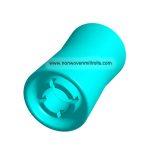
Ironing rolls were requested to be made with NCCM (3M) nonwoven roll sleeve. It consists a core shaft and barrel shaft with lubricated bearings between them. The core shaft connects […]
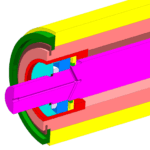
Ironing rolls were requested to be made with NCCM (3M) nonwoven roll sleeve. It consists a core shaft and barrel shaft with lubricated bearings between them. The core shaft connects […]
EIL non-woven fabric for making rollers is a special type of non-woven material, which adopts the production process of common non-woven fabrics on the market, but is different from ordinary
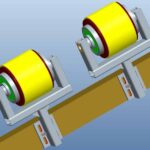
The modern automobile stamping production line is inseparable from the transmission of the belt conveyor, and the transmission of the outlet sheet material in the stamping line cleaning machine is
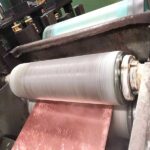
By using the m ethod of horizontal continuous casting and high-precisin cold-rolled, high-perfomance tin phosphorus bonxe C5210 copper is studied. The difficulty that 400 mm wide high perfomance tin phosphorus
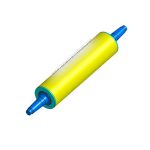
This wringer roll assembly was originally designed and made with two steel shafts and a steel pipe barrel welded together, with rubber lining wrapped outside. After discussing and investigate the
This furnace chage roll is a quickly consumed product and frequently needed by the steel plant. It’s made by casting and finally machined to the required dimensions. C Mn Si
Preface The hot-rolled pickling coil production line of Panzhihua New Steel & Vanadium Co., Ltd. Cold Rolling Plant was completed and put into operation in 2004. According to the overall
Because of its high rigidity, the 20-high rolling mill is currently the main type of stainless steel cold rolling in the world, while Sendzimir and Sundwick rolling mills account for
Professional Roll Making Technology Ensures Precise Oil Film Thickness Control Based on the relevant simulation test analysis performed on our professionally designed and manufactured oil film thickness testing equipment, the

NCCM millennium roll (formerly 3M millennium roll) is manufactured by NCCM company in the United States using high-strength artificial non-woven fiber materials. It is mainly used for squeezing liquid on